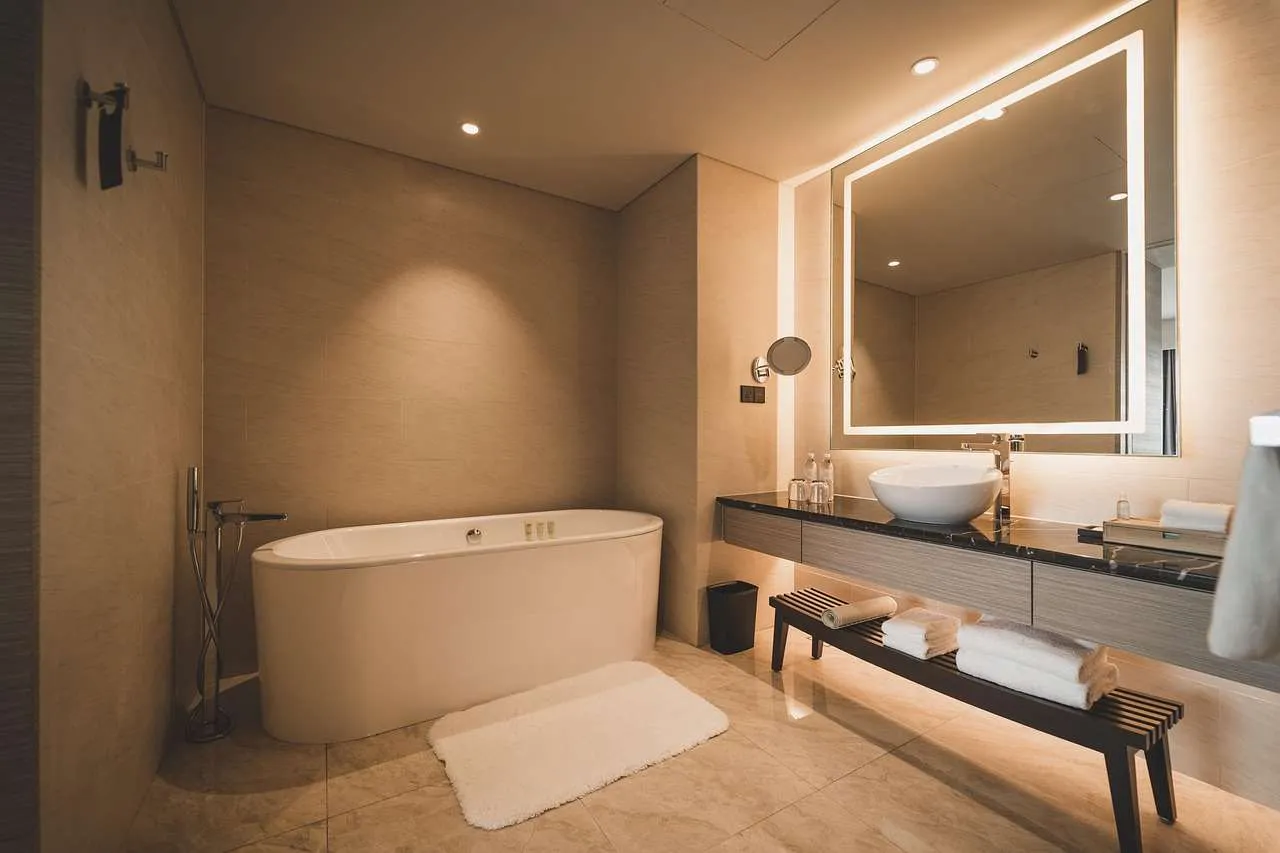
Explore small bathroom ideas to maximize space, storage, and style with expert tips and practical layouts.
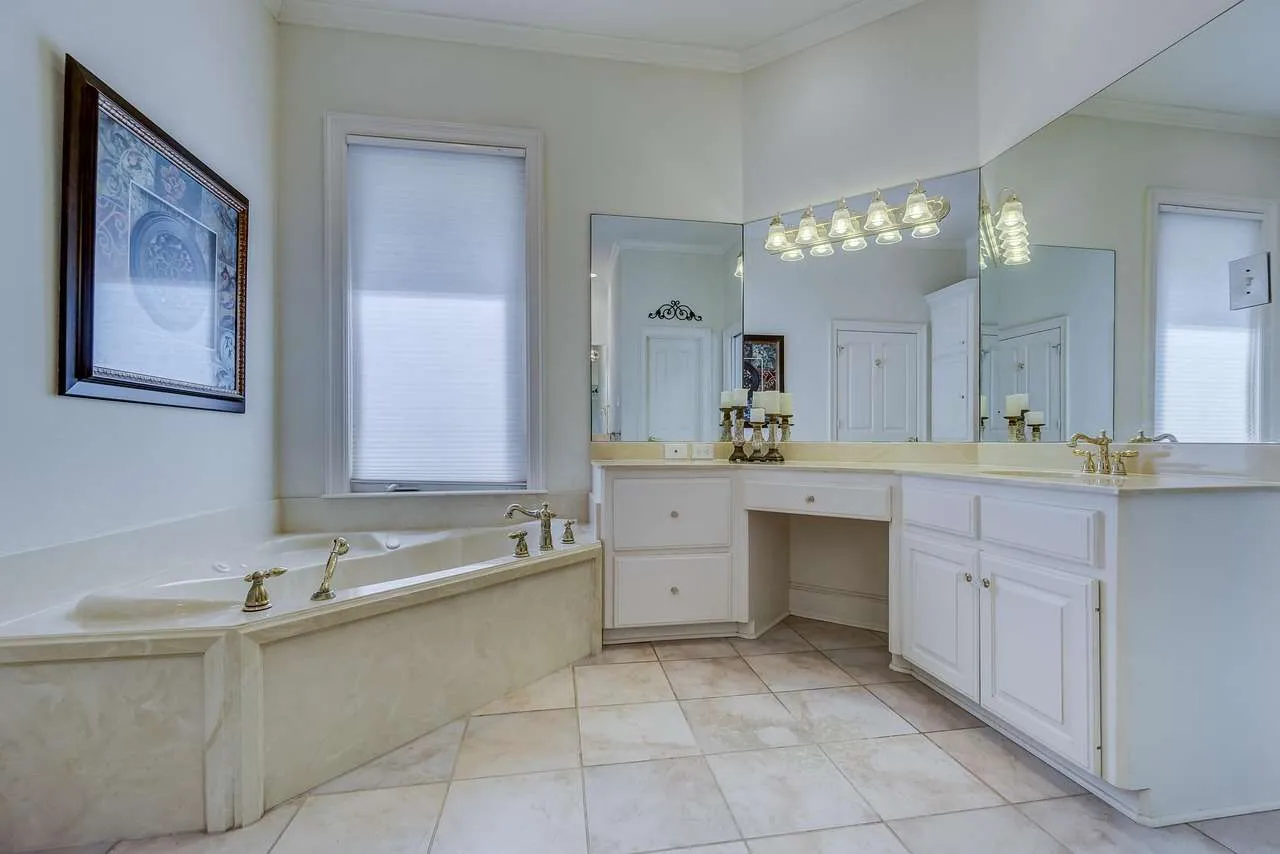
Designing a small bathroom is about clever choices that create the feeling of space without sacrificing function. Drawing on a decade of design experience, I’ve helped many clients maximize space in compact baths. The right layout, fixtures, and storage can make a compact bath feel airy, organized, and inviting. This guide shares practical small bathroom ideas to maximize space, light, and mood while staying within a realistic budget. Whether you’re renovating a tight powder room or updating a compact ensuite, you can achieve a stylish, durable result.
Smart layout principles for small bathrooms
In tight spaces, layout matters more than size. Start with the door swing, plumbing walls, and wall height to keep traffic flowing and to maximize usable space.
Maximize vertical space
Tall cabinetry, open shelves, and recessed niches draw the eye upward and provide storage without stealing floor area. Use adjustable shelves and labeled organizers to keep items tidy.
Choose wall-hung fixtures
Wall-hung toilets and vanities create a lighter, simpler silhouette and make cleaning easier. An 18–24 inch vanity with integrated storage often works best in small baths.
Use space-saving doors
Sliding or pocket doors remove the swing arc, adding real usable width in corridors or tight baths.
Efficient fixture and storage ideas
Choose pieces with dual functions and clean lines. Built-ins and concealed hardware help the space feel calm and expansive.
Compact vanity and sink
A shallow vanity or wall-mounted sink with hidden storage keeps surfaces clear and makes room for a larger mirror, which amplifies light.
Corner shower vs tub options
A corner shower with frameless glass often feels roomier than a tub. If you need a tub, a compact 48 inch model or a wet-room layout can preserve openness.
Built-in niches and recessed storage
Niches in the shower and above the vanity provide near‑at‑hand storage without bulky cabinetry. Pair with moisture-rated shelving for towels and extras.
Lighting, color, and materials
Layered lighting brightens the space and minimizes shadows. Light colors and reflective surfaces expand the visible area, while durable, moisture‑resistant finishes protect the investment.
Color palettes
Soft whites, cool grays, and warm beiges create a versatile base. Use accents sparingly to avoid visual clutter; mirror-like surfaces boost brightness.
Materials
Choose porcelain, quartz, and moisture-resistant laminates. Matte finishes hide water spots; high-gloss surfaces amplify light when balanced with good lighting.
Comparative options for tiny bathrooms
| Option | Pros | Cons | Best For |
|---|---|---|---|
| Corner shower with glass doors | Maximizes floor area; feels open | Install precision required; could feel cramped in very small baths | Shower-focused layouts |
| Pocket or sliding door | No swing clearance; easier access | Higher installation cost | Bathrooms near hallways or tight spaces |
| Wall-hung fixtures | Airier floor, easier cleaning | More complex plumbing | Minimal, modern spaces |
| Floating vanity with storage | Light, open feel; added storage | Limited deep storage | Contemporary baths with visual space |
Practical color palettes and finishes
Use mirrors to reflect light. A large mirror opposite a window or above the vanity doubles perceived space. Layer lighting and choose moisture‑rated finishes to keep the design fresh for years.
Conclusion, smart layout, compact fixtures, built-in storage, and light-reflective finishes transform a small bathroom into a functional, stylish space.